
There are points on the body that can be touched, pressed, or hooked to briefly neutralize the power and leverage of such an attack. Counterpoints are unusual because they involve…
Read more

Whenever I practice with students who are just starting their journey into tai chi, they are shocked when I refer to the martial arts history of tai chi.
Read more
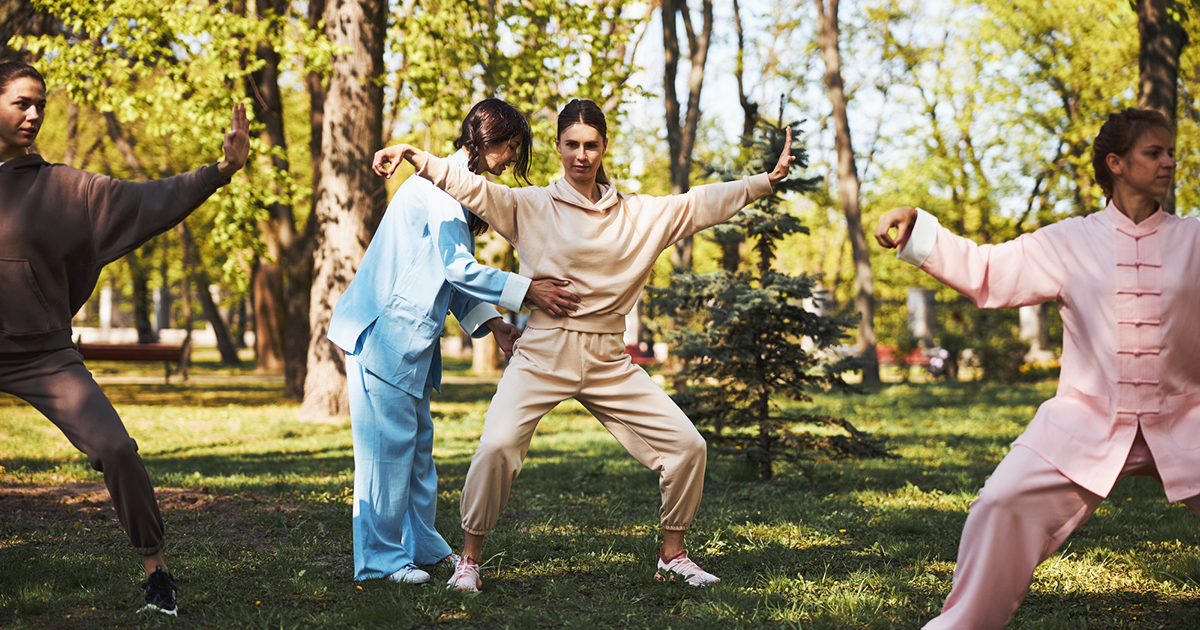
As a former educator and a lifelong student and teacher, I have often reflected upon what makes successful teachers and students.
Read more

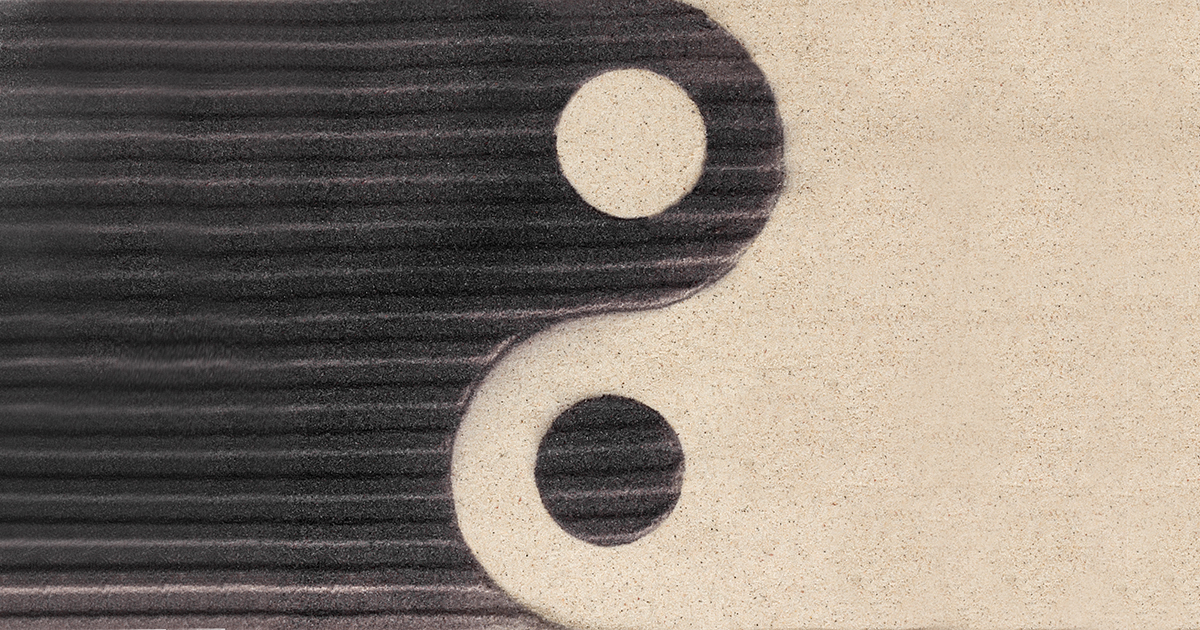
In Taijiquan (太極拳) the concept of harmonizing yin (阴) and yang (阳) is commonly given in dualistic statements like having neither excess nor deficiency. But avoiding excess (yang) and deficiency…
Read more
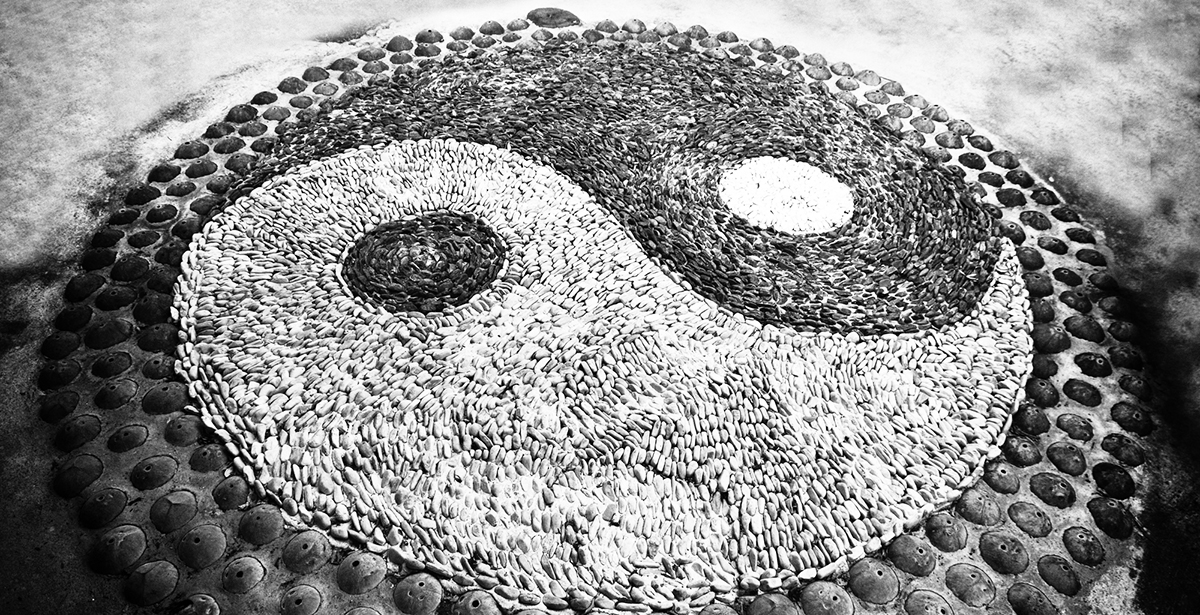
The popular misconception about t’ai chi is that it is just a slow motion dance, and many people are surprised that it is also a highly skilled martial art.
Read more
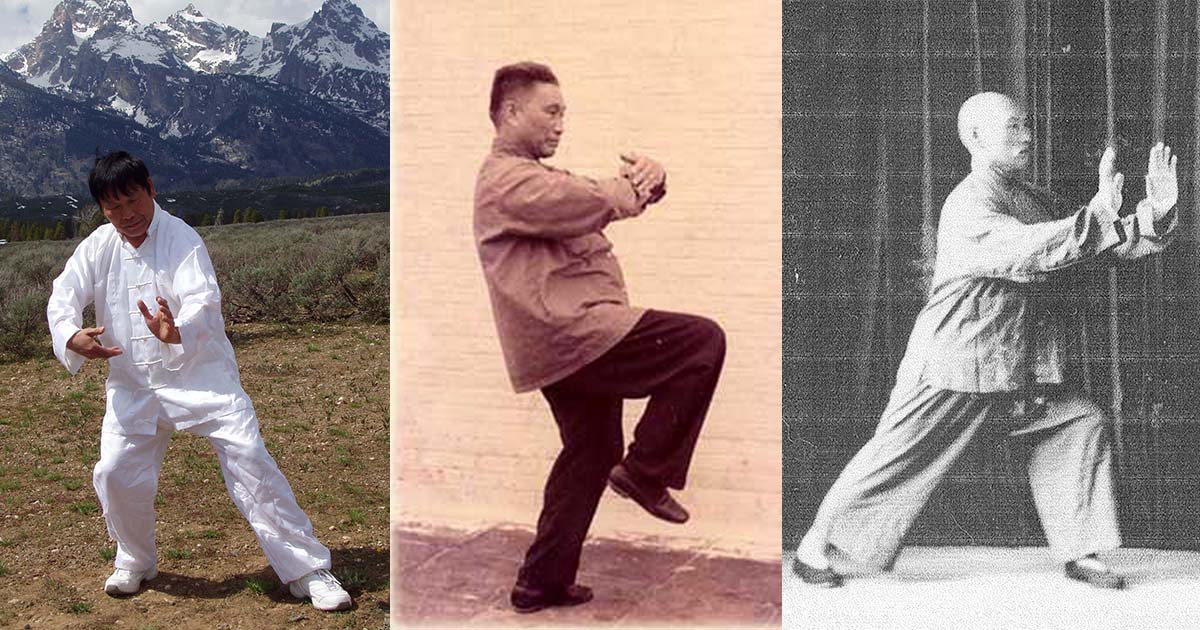
Grasp Bird’s Tail (GBT, lan que wei, 攬雀尾) is the best example of how the Fu Family (傅家) developed their family style and systemized the teachings.
Read more
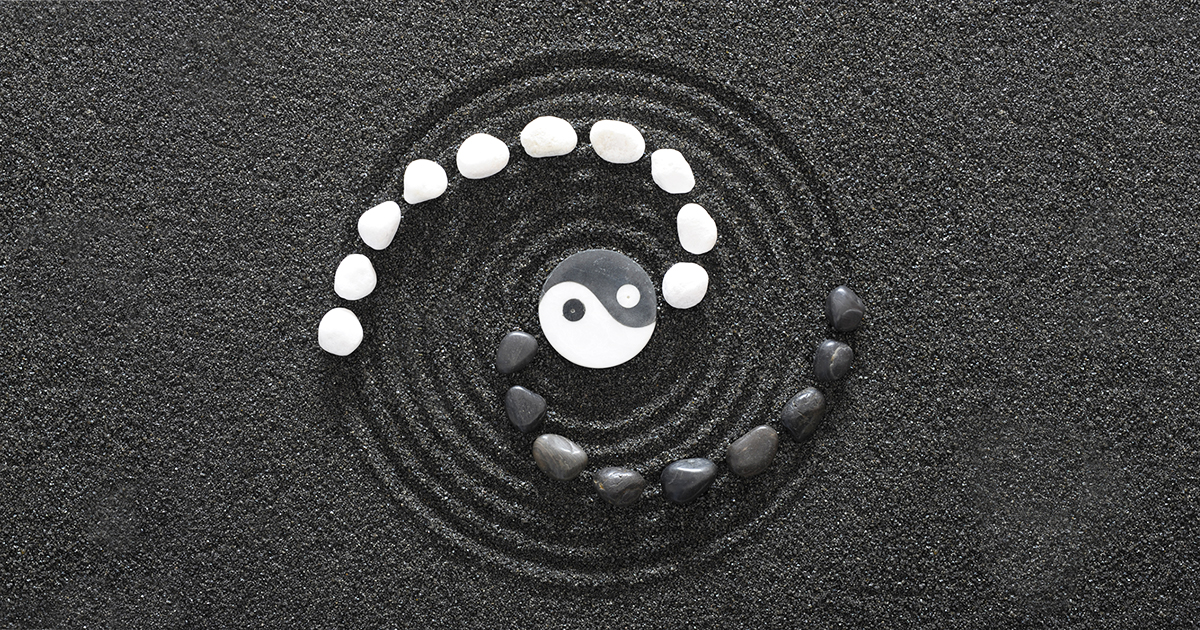
Some practitioners view yin and Yang, as two sides of the same coin, and this can seem like an appropriate analogy for yin and yang united as one whole.
Read more
Taijiquan emphasizes calmness, relaxation, reduced anxiety and stress, and other traits that are characteristic of parasympathetic nervous system (PSNS) control
Read more
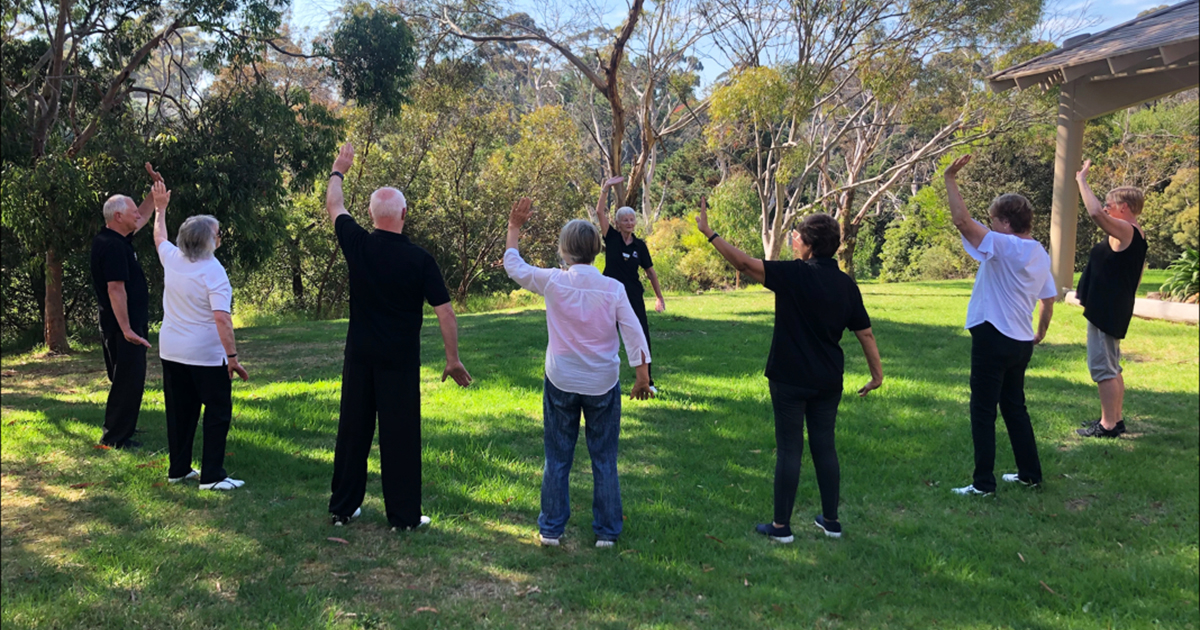
Many people have described learning tai chi as ‘a journey’. New students discover that tai chi is far much more than simply ‘waving arms through the air’
Read more
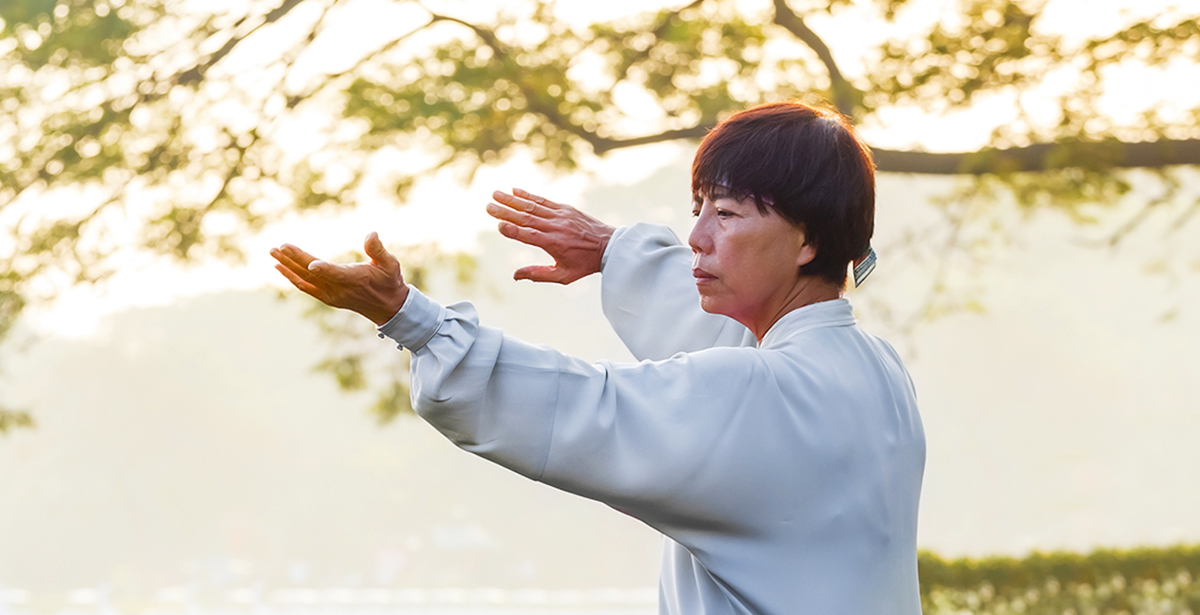
Taijiquan practitioners know the importance of paying attention, but may not realize that it is natural and normal to attenuate or “tune out” various signals.
Read more