
In Taijiquan (太極拳) the concept of harmonizing yin (阴) and yang (阳) is commonly given in dualistic statements like having neither excess nor deficiency. But avoiding excess (yang) and deficiency…
Read more

Some practitioners view yin and Yang, as two sides of the same coin, and this can seem like an appropriate analogy for yin and yang united as one whole.
Read more

Taijiquan emphasizes calmness, relaxation, reduced anxiety and stress, and other traits that are characteristic of parasympathetic nervous system (PSNS) control
Read more
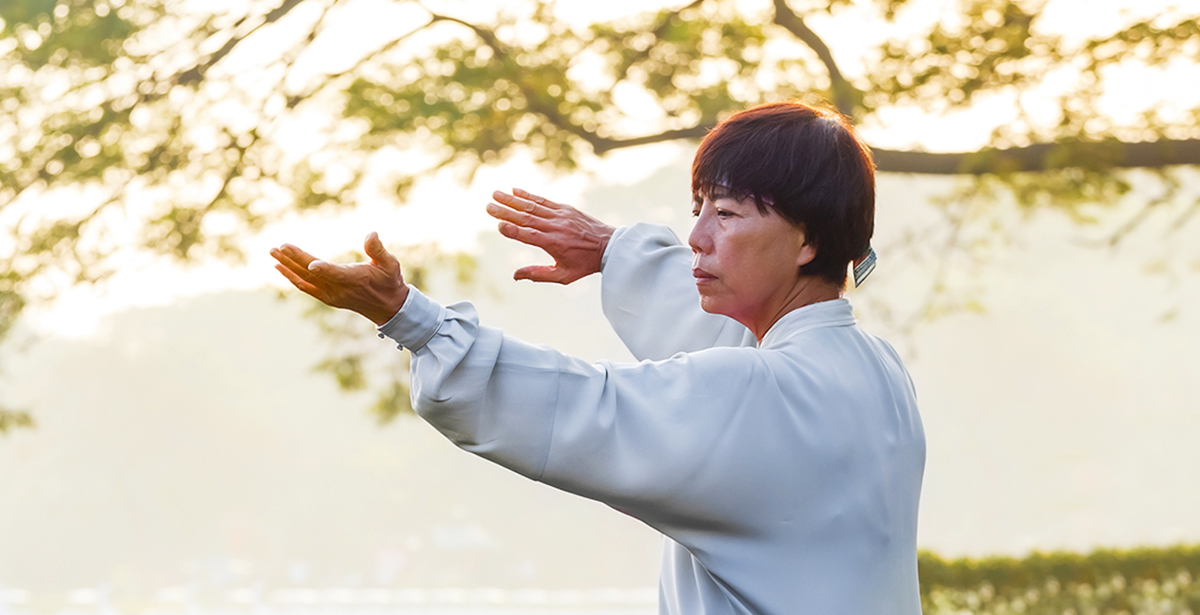
Taijiquan practitioners know the importance of paying attention, but may not realize that it is natural and normal to attenuate or “tune out” various signals.
Read more
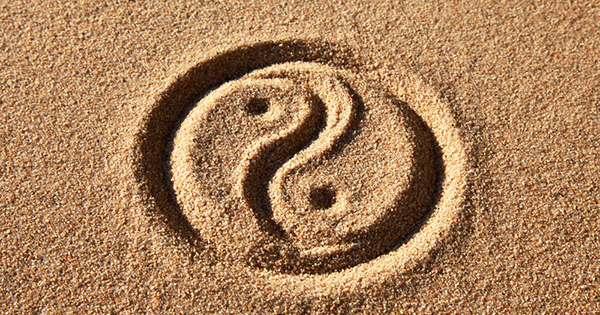
In Taijiquan (太極拳) solo practice, one aligns with gravity and only an imaginary opponent that does not produce forces that impact us.
Read more
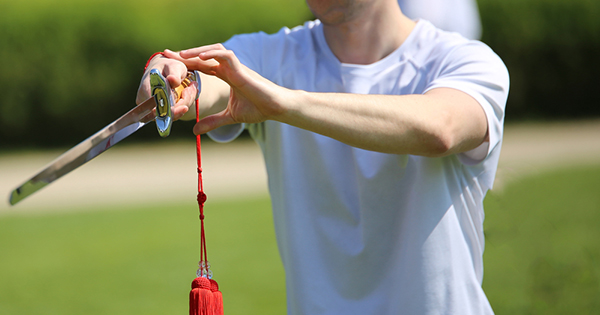
Taijiquan saber or broadsword (刀 dao), and sword (劍 jian), have numerous techniques, but many traditions only list their most important thirteen
Read more
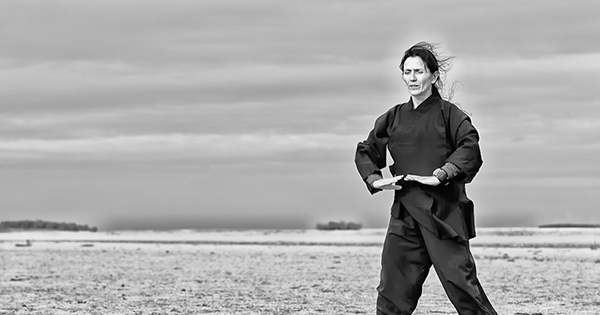
Breathe! We have been breathing every day since birth, so it should be easy to breath properly during Taijiquan practice, shouldn’t it? Well, it’s not so simple
Read more
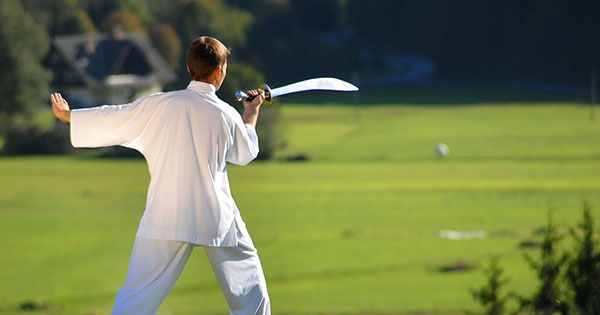
The saber/dao, sometimes called a “broadsword” refers to a single edged sword, which is not as commonly practiced as the sword/jian (double-edged straight sword
Read more

Scientific studies on Taijiquan (太極拳) will always have limitations, and appropriate and rigorous controls are especially difficult to design.
Read more
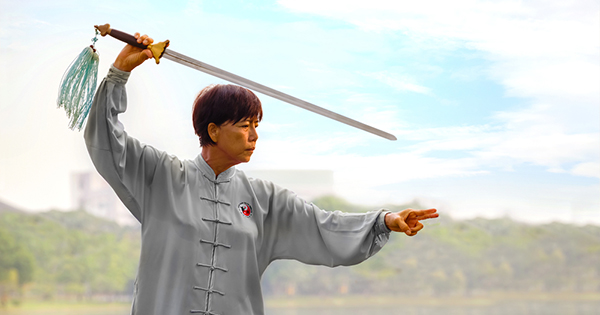
Sword (劍 jian, double-edged straight sword) is perhaps the most popular weapon in Taijiquan (太極拳) practice, even though it is more difficult to use properly than the saber (刀 dao,…
Read more